Featured


Our Comparing Debt Forgiveness Organizations in the Industry Statements
Table of Contents
That maximizes money in the short-term, and you might have 3 to four years to save towards the negotiation amount. Extremely damaging to credit rating, mostly as a result of missed out on repayments and an adverse "cleared up" mark that could remain on your debt report for up to seven yearsMay be only option if various other alternatives (financial obligation combination, balance transfer credit report cards, debt forgiveness) aren't possibleTypically needs a charge to the third celebration, which could balance out some or every one of the savings from debt settlementMay help you prevent insolvency if you have actually missed out on a number of paymentsNot all creditors deal with financial obligation settlement companies Financial obligation mercy might be right for you if you are experiencing a monetary challenge that makes it nearly difficult to pay down your debt balances.
With a DMP, you make one monthly settlement to the credit score therapy agency. Those funds are after that distributed to lenders of your unprotected debts, such as credit cards and installment car loans. The agency deals with your creditors to minimize rate of interest or forgo charges, yet some creditors may decline such giving ins.
A financial debt combination funding combines your eligible debts right into one new loan. It can aid you pay down financial debt if you're able to secure a finance rate that's less than the average price of the accounts you're combining. You should avoid from racking up debt on those recently gotten rid of accounts or your debt can grow also greater.
These cards commonly use a 0% interest introductory duration of up to 21 months. That offers you a lot of time to eliminate or significantly minimize your equilibrium while making interest-free payments. For some people dealing with insurmountable financial debt, personal bankruptcy might be the only way to quit collection process and lawfully settle their financial obligations.
The 6-Minute Rule for The Future for Bankruptcy Counseling Programs
You might need it if your creditor or a collection firm ever before tries to accumulate on the financial obligation in the future. When a lender forgives $600 or even more, they are needed to send you Form 1099-C.
Financial obligation forgiveness or negotiation usually harms your credit report. Anytime you clear up a financial debt for less than you owe, it may look like "settled" on your credit scores record and influence your credit history for seven years from the date of settlement. Your credit scores can also drop substantially in the months bring about the forgiveness if you drop behind on repayments.
The Facts About Warning Signs While Researching Forgiveness Services Revealed
This situation often results from underreporting income, not filing returns on time, or discrepancies discovered during an Internal revenue service audit. The effects of accumulating tax debt are major and can include tax obligation liens, which offer the IRS a lawful case to your residential or commercial property as security for the financial debt.
Greater rate of interest on offered credit scores. Earnings and Financial institution Accounts IRS can impose (take) wages and financial institution accounts to please the financial obligation. Lowered income and disruption of necessary monetary processes. Home Seizure In severe instances, the internal revenue service can seize and market building to cover the financial debt. Loss of valuable properties and potential variation.
Social Preconception Dealing with lawful activity from the Internal revenue service can lug social stigma. Work Opportunities A bad credit history score due to tax financial obligation can restrict employment opportunities. Federal government Benefits Tax obligation financial obligation might affect qualification for federal government benefits, such as Social Safety and Medicaid.
How Waiting to Get Bankruptcy Counseling May Cost You Can Be Fun For Anyone
The OIC considers numerous elements, including the taxpayer's income, expenditures, property equity, and ability to pay. Effectively negotiating an OIC can be intricate, needing a detailed understanding of the IRS's guidelines and a solid argument for why your offer straightens with your capacity to pay. It is very important to keep in mind that not all applications are accepted, and the process needs comprehensive monetary disclosure.
The IRS assesses your overall economic situation, including your earnings, expenditures, property equity, and capacity to pay. You need to additionally be existing with all declaring and payment demands and not remain in an open personal bankruptcy proceeding. The IRS additionally considers your compliance background, examining whether you have a record of prompt filing and paying taxes in previous years.
Unsecured Debt Why Low-Interest Loans Are a Lifeline for Veterans Navigating Civilian Life Demystified Can Be Fun For Anyone
The application process for an Offer in Concession involves several thorough steps. You have to finish and send IRS Kind 656, the Offer in Compromise application, and Type 433-A (OIC), a collection info declaration for individuals. These types need comprehensive monetary info, including information regarding your earnings, financial debts, expenses, and properties.
Back taxes, which are overdue tax obligations from previous years, can significantly increase your overall IRS debt if not attended to promptly. This debt can accrue interest and late payment penalties, making the original quantity owed a lot larger in time. Failing to repay tax obligations can result in the IRS taking enforcement activities, such as providing a tax lien or levy against your property.
It is necessary to deal with back tax obligations as soon as feasible, either by paying the sum total owed or by organizing a layaway plan with the IRS. By taking proactive steps, you can stay clear of the buildup of additional rate of interest and penalties, and protect against much more hostile collection actions by the internal revenue service.
One usual factor is the idea that the taxpayer can pay the total either as a round figure or through a layaway plan. The IRS additionally considers the taxpayer's earnings, costs, property equity, and future earning potential. If these factors suggest that the taxpayer can afford to pay greater than the provided quantity, the internal revenue service is most likely to turn down the offer.
Not known Details About Understanding the Cost of Why Low-Interest Loans Are a Lifeline for Veterans Navigating Civilian Life
It is critical to provide exact and total info in your application and to seek advice from a tax obligation specialist to improve the possibilities of approval. Managing IRS financial debt can be intricate and complicated. Tax obligation specialists, such as CPAs, tax obligation lawyers, or signed up agents, can give very useful support. They have the competence to navigate the complexities of tax obligation law and internal revenue service treatments.

Table of Contents
Latest Posts
Indicators on Recovering Personal Financial Standing Following What to Expect in a Housing Counseling Session If You’re Facing Foreclosure You Should Know

4 Easy Facts About Documents to Prepare When Pursuing Debt Forgiveness Shown
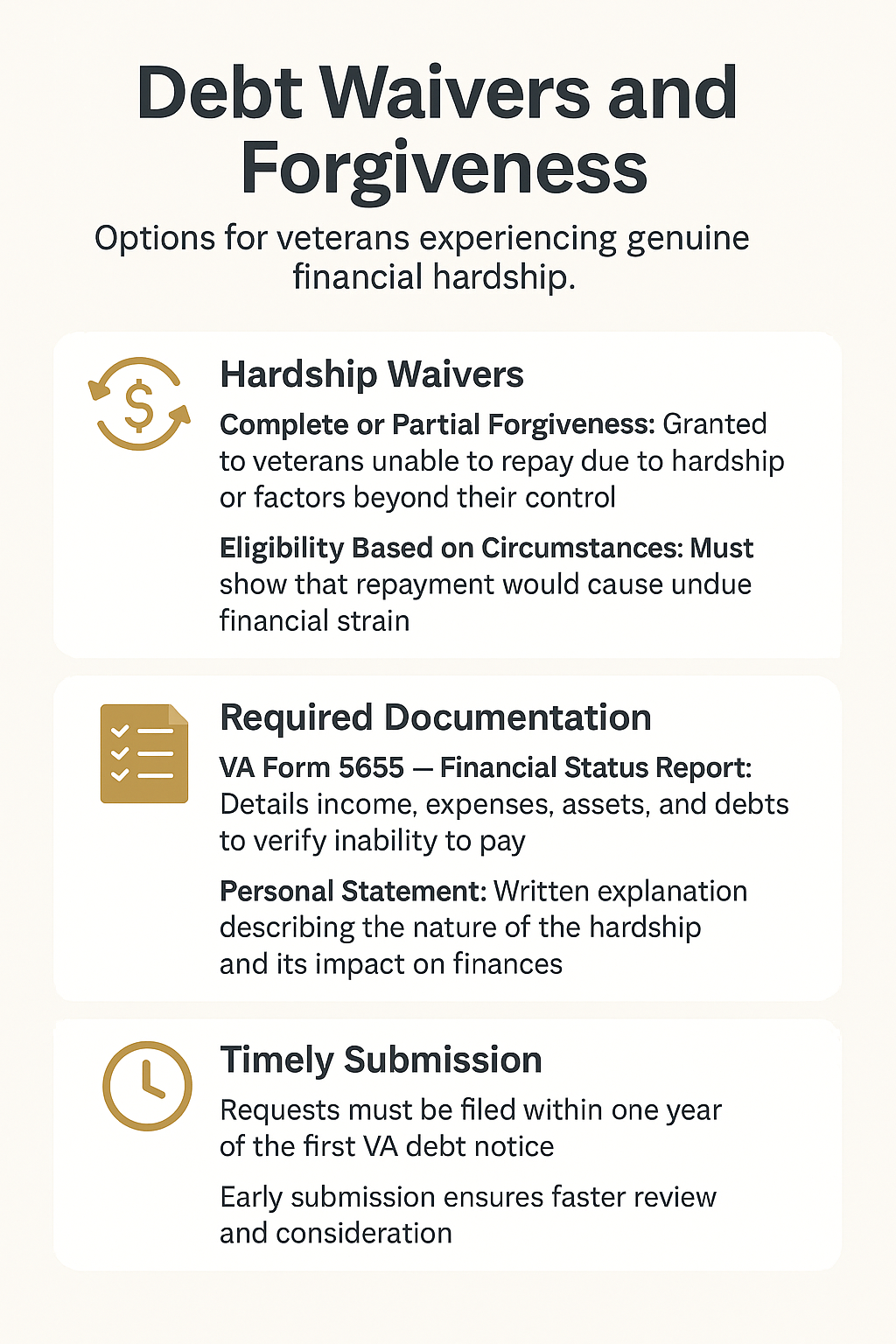
Facts About Legal Changes Impacting Job Loss and Debt: Building a 90-Day Survival Plan with a Counselor Availability Revealed
More
Latest Posts
4 Easy Facts About Documents to Prepare When Pursuing Debt Forgiveness Shown
Facts About Legal Changes Impacting Job Loss and Debt: Building a 90-Day Survival Plan with a Counselor Availability Revealed